Betta fish don’t typically enjoy lying on the bottom of the tank. When they do, it usually signals stress from factors like poor water conditions, aggression from tank mates, or health issues such as swim bladder disorders.
Environmental factors, like temperature fluctuations or a malfunctioning aquarium heater, can also play a role. It’s essential to guarantee ideal living conditions to prevent this behavior. I found valuable insights on how to enhance your betta’s environment and well-being.
Reasons for Betta Fish Lying on the Bottom
Betta fish can often be seen resting at the bottom of their tank for several reasons. I’ve noticed that poor water quality, particularly high ammonia or nitrate poisoning, can stress them, leading to lethargy and a preference for lying at the bottom. Environmental stressors, such as aggressive tank mates or overcrowding, might push them to seek refuge near the substrate.
Additionally, health issues like swim bladder disorders or fin rot can cause abnormal behaviors that result in them staying low. Finally, fluctuations in temperature or pH levels can contribute to their lethargy. Understanding these factors is essential for ensuring the well-being of your tropical fish.
Solutions and Best Practices for Betta Care
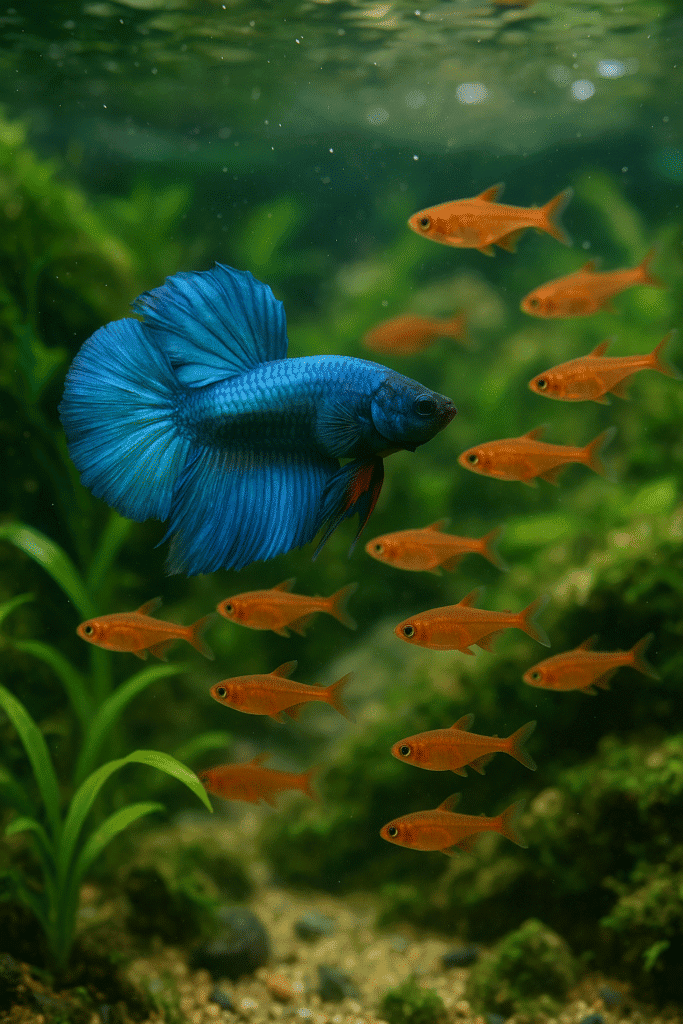
When observing your betta fish resting at the bottom of the tank, it’s crucial to take proactive steps to enhance their living conditions. Start by guaranteeing a minimum tank size of 5 gallons, maintain a water temperature between 76–82°F (24–28°C), and perform regular water changes to improve water quality.
I recommend inoculating with beneficial bacteria to establish a healthy nitrogen cycle. Provide hiding spots and enrichment to encourage swimming. Finally, offer a high-quality betta diet while avoiding overfeeding.
| Practice | Importance | Frequency |
|---|---|---|
| Regular Water Changes | Reduces toxins | Weekly (25–30%) |
| Monitor Water Parameters | Guarantees health | Bi-weekly |
| Maintain Temperature | Prevents lethargy | Daily |
| Provide Hiding Spots | Reduces stress | Always |
| Feed High-Quality Diet | Promotes vitality | Daily |
Conclusion
To sum up, while it’s natural for betta fish to occasionally rest on the bottom of the tank, frequent behavior may signal underlying issues like stress or health problems. I find that by ensuring a clean environment, proper tank mates, and a balanced diet, we can promote their well-being.
If you notice persistent bottom-sitting in your Siamese fighting fish, don’t hesitate to investigate further. Our goal should always be to create a safe, stimulating habitat that allows our bettas to thrive and express their vibrant personalities.