If your betta fish is lying at the bottom of the tank, it might be due to poor water quality, stress, or health issues like swim bladder disease. I recommend checking the water conditions, ensuring ammonia levels are low, and the temperature is stable between 76–82°F. Aging fish may just prefer resting, while aggressive tank mates can heighten stress.
Evaluating their diet and habitat can also make a difference. There’s more to explore on enhancing your Betta’s environment and well-being, especially understanding tank size and how it influences comfort.
Common Reasons for Bottom Sitting in Betta Fish
When I notice my betta fish lying on the bottom of the tank, it raises several questions about its well-being. Poor water quality often plays a significant role; even if parameters seem normal, high ammonia or nitrates can harm health and happiness.
Additionally, aging bettas naturally become less active, preferring to rest. Stress from aggressive tank mates or sudden environmental changes may also induce bottom-sitting behavior. Furthermore, swim bladder disease can prevent swimming, causing them to lie on their side.
It’s essential to monitor these factors, as they influence our Betta’s vibrant colors and overall health. Introducing aquarium salt in moderation can support recovery from infections and soothe fin rot.
Solutions to Improve Betta Fish Health and Habitat
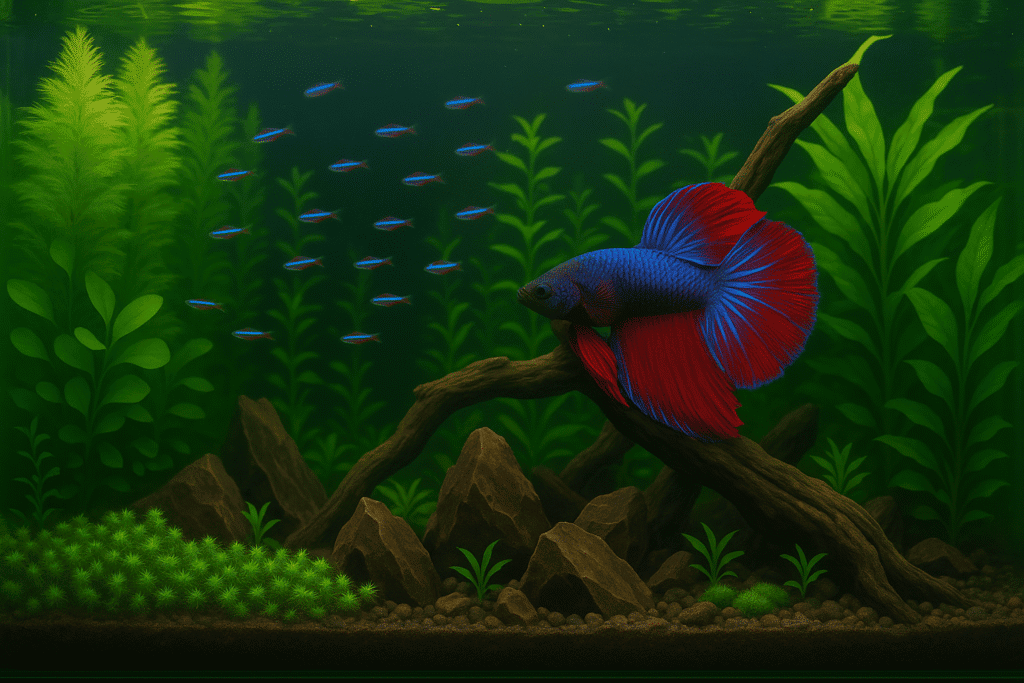
To guarantee your betta fish thrives, it’s essential to implement effective solutions that enhance both its health and habitat. Start by regularly performing water changes of 25–50% weekly to maintain ideal water conditions, reducing stress for your Betta. I always test water parameters before each change to catch any spikes in toxic levels early.
Make sure the water temperature stays between 76–82°F to prevent lethargy. Create a comfortable environment by adding live plants and hiding spots, allowing your fish to feel secure. Use water testing kits to monitor ammonia levels, avoiding high concentrations that can lead to ammonia poisoning.
Finally, provide a balanced diet to support a healthy betta, assuring its overall well-being. Consider introducing beneficial bacteria supplements to boost your tank’s biological filtration.
Conclusion
In summary, if you notice your Betta fish lying on the bottom of the tank, it’s essential to assess their environment, health, and behavior. Factors like water quality, stress, illness, or even temperature can all play a role. By addressing these issues promptly and providing a suitable habitat, you can greatly improve your fish’s well-being.
I’ve seen how fine-tuning tropical fish care routines can transform lethargic behavior. Remember, a healthy Betta is an active Betta, so take the time to guarantee they thrive in their home and avoid pitfalls like nitrate poisoning or swim bladder disorder. Also, be mindful of suitable Siamese fighting fish social setups to prevent conflict.