I understand the temptation to flush a dead betta fish down the toilet, but it’s really not a good idea when dealing with aquarium water. Flushing can introduce harmful bacteria and disrupt local ecosystems.
Instead, consider burying your fish body at least 30 cm deep or wrapping it in tissue for garbage disposal. Cremation is also a respectful option that avoids ecological issues.
Reasons Not to Flush Your Dead Betta Fish
While it might seem convenient to flush your dead Betta fish, I’ve noticed that doing so can lead to several serious issues. Flushing can introduce harmful germs and bacteria into the plumbing system, increasing health risks from potential diseases or parasites the fish may carry, such as fish disease.
Septic systems aren’t designed for non-flushable items, which can cause costly clogs and pose risks to your septic system. Additionally, if your fish appears dead but isn’t, flushing could result in unnecessary suffering. Finally, flushed fish can disrupt local water ecosystems, introducing diseases to native species and causing ecological imbalances.
It’s crucial to take these factors into account before making that choice.
Proper Disposal Methods for Your Betta Fish
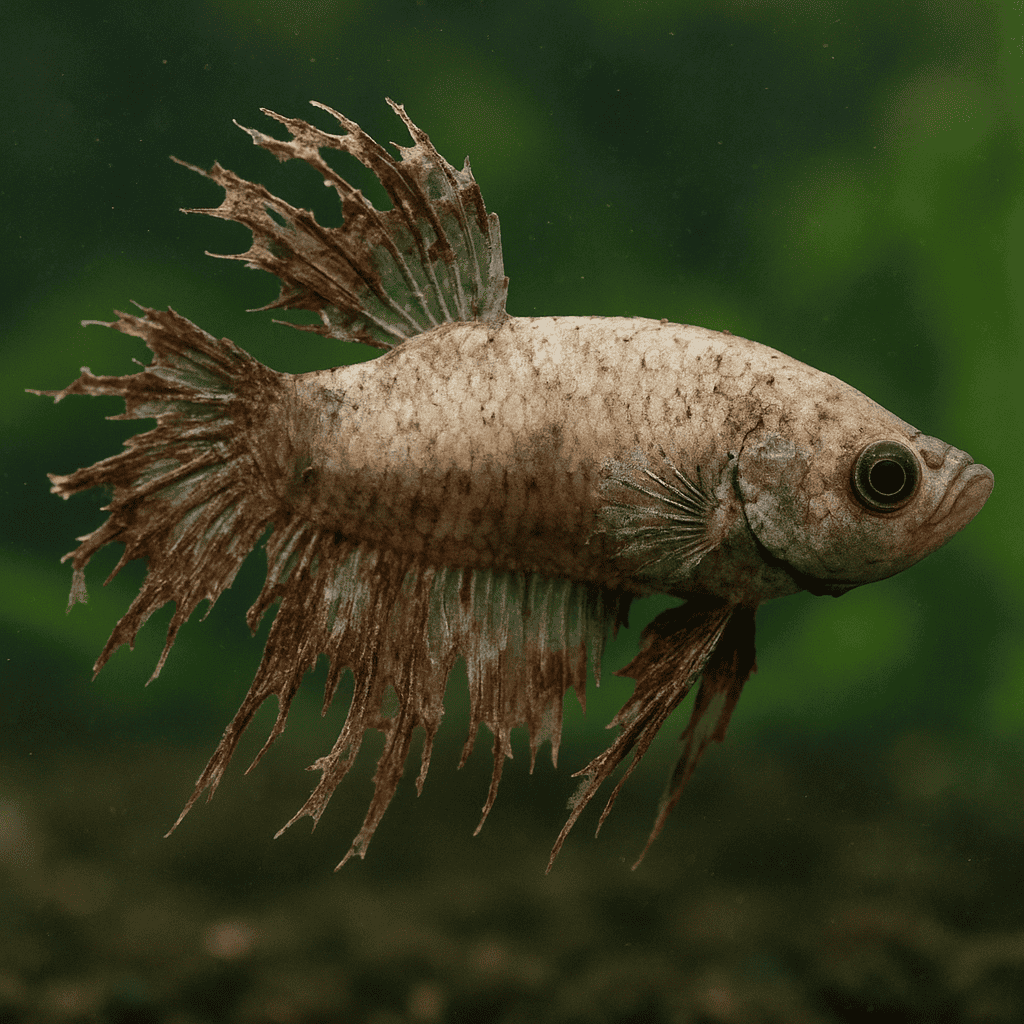
When a Betta fish passes away, it’s essential to choose proper disposal methods that respect both the animal and the environment. Here are three environmentally responsible options:
- Bury the fish at least 30 cm deep in your garden, away from waterways, to prevent contamination with microorganisms.
- Dispose of it in the garbage by wrapping it in tissue or a sealed container—avoid using toilet paper alone—and manage odors with a water conditioner to neutralize harmful chemicals.
- Cremation is a respectful choice, allowing for a memorial without ecological issues, and can even be accompanied by clove oil for a gentle scent.
Always confirm your fish is genuinely deceased, waiting 30 minutes after the last sign of gill movement before disposal.
Conclusion
In summary, while it might seem convenient to flush a dead betta fish, it’s best to choose a more respectful disposal method. Flushing can harm the environment and disrupt local ecosystems.
Instead, consider burial in your yard or a designated pet cemetery, or even cremation. Remember, our pets deserve care and respect, even in death. By honoring your betta fish appropriately, you can guarantee their memory lives on in a positive way.