When my betta flares at me, it’s usually reacting to its mirror reflection or feeling threatened. This behavior helps it assert dominance and can be a sign of curiosity or excitement.
However, if the betta fish flares excessively, it might indicate stress or discomfort, particularly if accompanied by changes in appetite or behavior. I always keep an eye on its environment, as factors like low water quality or aggressive fish can exacerbate this behavior. There’s a lot more to understand about your betta’s health.
Understanding Flaring Behavior in Bettas
Have you ever noticed your Siamese fighting fish flaring up and wondered what it really means? Flaring is a natural behavior, where male bettas expand their gills and fins to appear larger, often triggered by perceived threats, including their own reflections or even us, their owners.
This behavior can stem from curiosity or excitement, but it may also signal a defensive instinct. Environmental factors, like lighting changes or new decorations, can induce temporary stress. While normal flaring can be a form of exercise, understanding the context behind your tropical freshwater fish behavior is essential for ensuring a healthy and happy environment for your fish.
When Is Flaring a Cause for Concern?
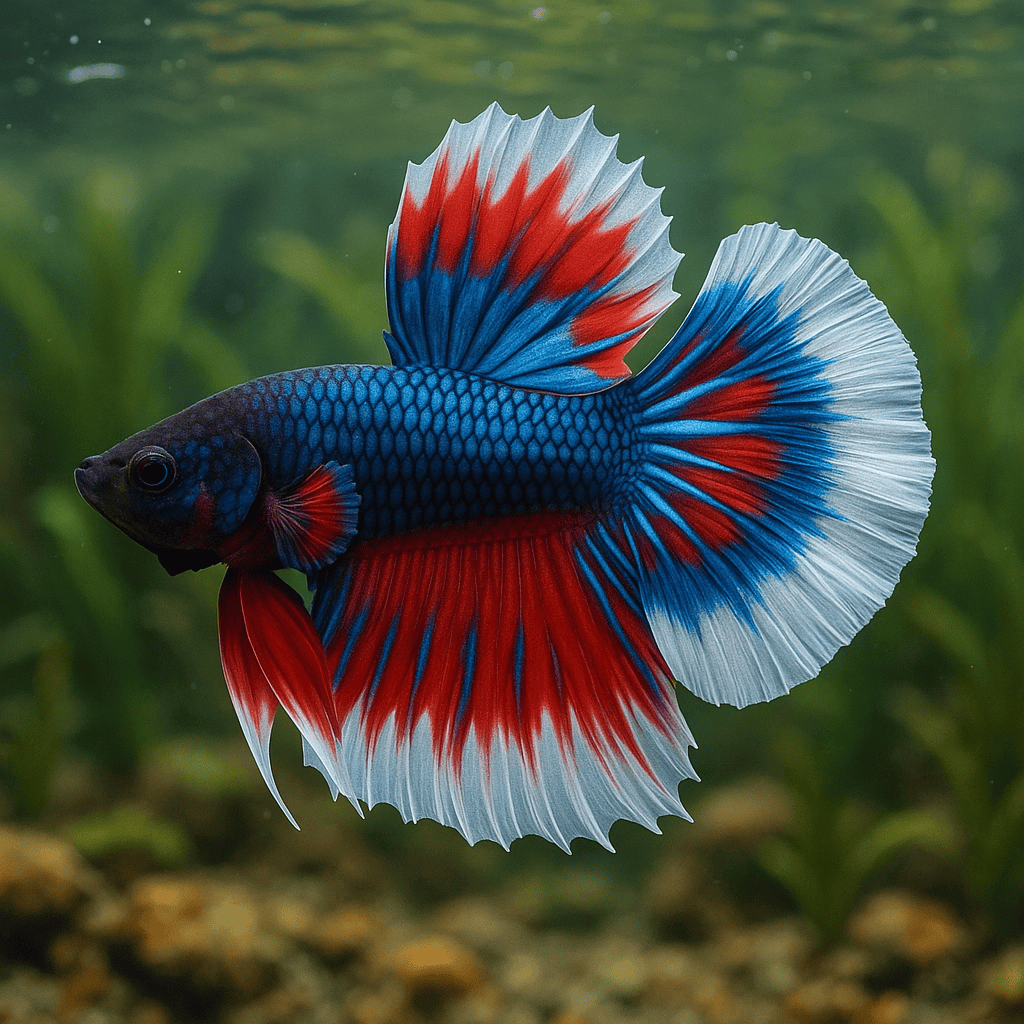
While observing your betta, it is important to recognize when flaring becomes a cause for concern. Excessive flaring, lasting more than 20 minutes per week, can indicate stress or discomfort. Signs of unhealthy flaring include flaring gills, changes in coloration, discolored fins, and abnormal swimming patterns.
If your betta shows flaring along with appetite changes or lethargy, monitor closely for potential illness, including fin rot. Environmental factors like low water parameters or aggressive tank mates can exacerbate excessive flaring. Remember, while some flaring at reflections is normal, escalating distress warrants a thorough evaluation of your betta’s environment and overall health.
Conclusion
To sum up, observing your betta flare at you can be fascinating, but it’s crucial to interpret this behavior correctly. While it’s often a sign of curiosity or territorial instinct, it can indicate stress or discomfort if it becomes excessive.
By ensuring your betta’s environment is enriching and stress-free with aquatic plants or silk plants, you can help reduce unnecessary flaring. Regular water change and monitoring ammonia levels, along with occasional aquarium salt treatments, can maintain optimal conditions. If you notice signs of distress, don’t hesitate to adjust their surroundings or consult a specialist. Your betta’s well-being is paramount.