Yes, betta fish can live without a filter, but it requires diligent water management and maintenance. A minimum tank size of 5 gallons is recommended, with weekly water changes of 50% to keep toxins at bay.
You’ll need to monitor water quality closely, as it impacts their health and behavior. Live plants can also help. If you want to explore the benefits of filtered tanks and other essential fish care tips, there’s more to uncover.
Betta Fish Habitats Without Filters
While many aquarium enthusiasts believe that aquarium filters are essential for maintaining a healthy environment, Betta Fish can thrive in habitats without them if proper care is taken.
In an unfiltered tank, I’ve found that keeping Betta Fish requires diligent attention to water quality. A minimum of 5 gallons is crucial to minimize waste accumulation, though small tanks and even a fish bowl can work with extra care.
Weekly water changes of 50% help prevent harmful toxins from tap water, and using a water conditioner is essential. Adding live plants not only beautifies the tank but also enhances biological filtration by absorbing waste and providing oxygen.
By monitoring water parameters including water temperature and maintaining stable conditions, bettas can flourish without the aid of a filter. The nitrogen cycle will establish naturally over time.
Betta Fish Habitats With Filtered Tanks
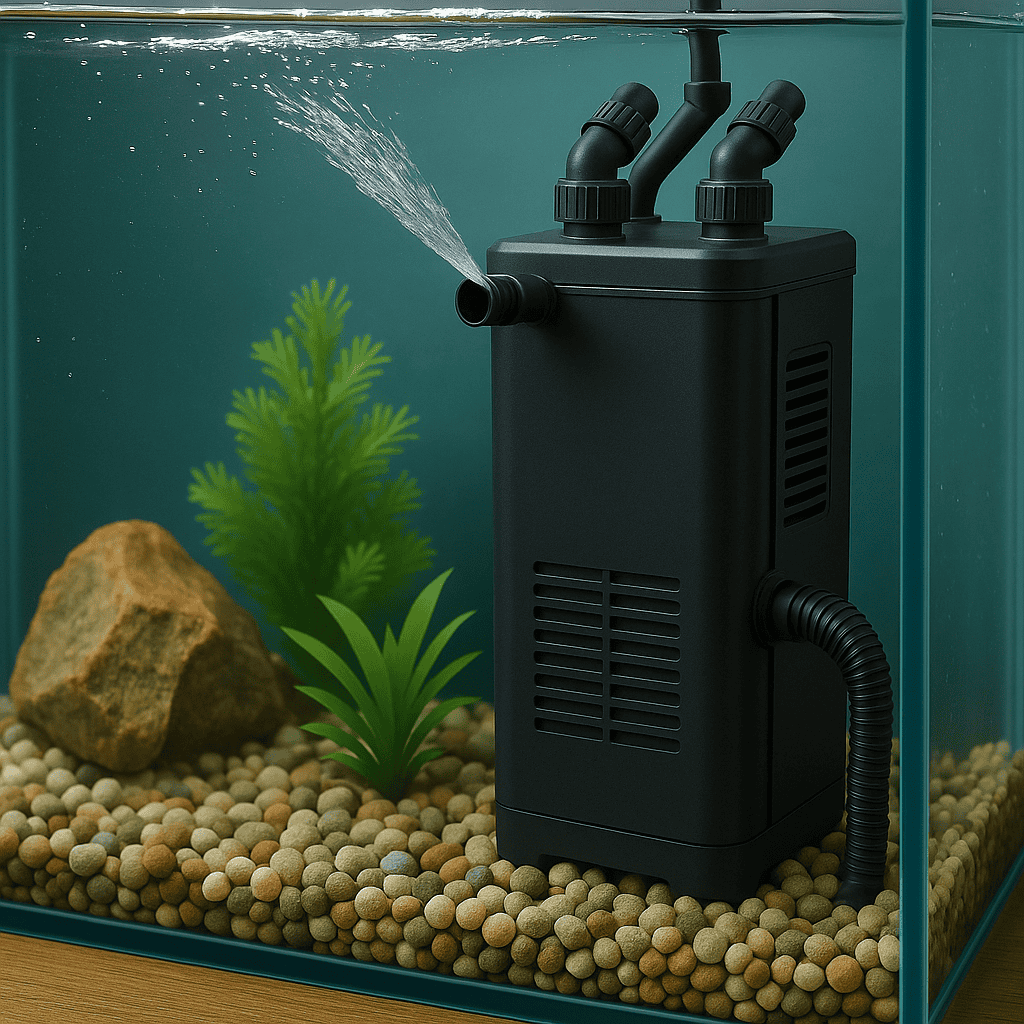
Using a filter in a betta fish tank considerably enhances the overall health and stability of the aquatic environment. Filtered tanks maintain clean water conditions by removing waste and harmful bacteria, which is essential for tropical fish like bettas.
Sponge filters are particularly effective as they provide gentle filtration while supporting beneficial bacteria growth. Improved oxygenation supports their health, particularly in multi-fish setups.
It’s vital to select a filter with adjustable flow settings, as bettas can be stressed by strong currents. I find that regular maintenance, such as rinsing filter media in tank water, preserves beneficial bacteria while reducing the need for frequent water changes, helping to maintain ideal water parameters for your betta fish’s well-being.
Conclusion
To summarize, while betta fish can survive without a filter, it’s not ideal for their long-term health. Unfiltered habitats require diligent maintenance to keep water clean and stable, which can be challenging.
A filtered tank provides a more stable environment, reducing stress and promoting overall well-being. If you choose to keep bettas in an unfiltered setup, be prepared for regular water changes and monitoring.
Ultimately, I believe a filtered tank is the best choice for happy, healthy bettas.