Yes, betta fish can thrive in tap water if it’s properly treated. I recommend using a dechlorinator to eliminate harmful chemicals like chlorine and chloramine, and once I’ve treated it, I let distilled water sit for twenty-four hours before adding it.
Make sure to test the pH, keeping it between 6.5 and 7.5, and the temperature should stay between 76 and 82 degrees Fahrenheit. I’ve found that monitoring nitrate levels during regular water changes of 25% helps maintain a healthy environment, ensuring ammonia levels remain at zero ppm.
There’s plenty more to learn about caring for your betta fish in a Fish Tank.
The Best Betta Fish Water
When it comes to providing the best water for your betta fish, you’ll want to prioritize dechlorinated tap water since it creates a safe environment free from harmful chemicals. I always check bottled spring water and spring water labels to compare general hardness and ensure levels suit bettas.
For ideal betta fish care, maintain water parameters with a temperature between 76 and 82 degrees Fahrenheit and pH levels of 6.5 to 7.5. I use a test kit regularly to confirm that ammonia and nitrite levels stay at zero ppm. Treat tap water with a water conditioner to eliminate toxins quickly, then age it for at least 24 hours in gallon tanks.
Conduct regular water changes to sustain water quality and prevent harmful substance buildup.
Tap Water for Betta Fish?
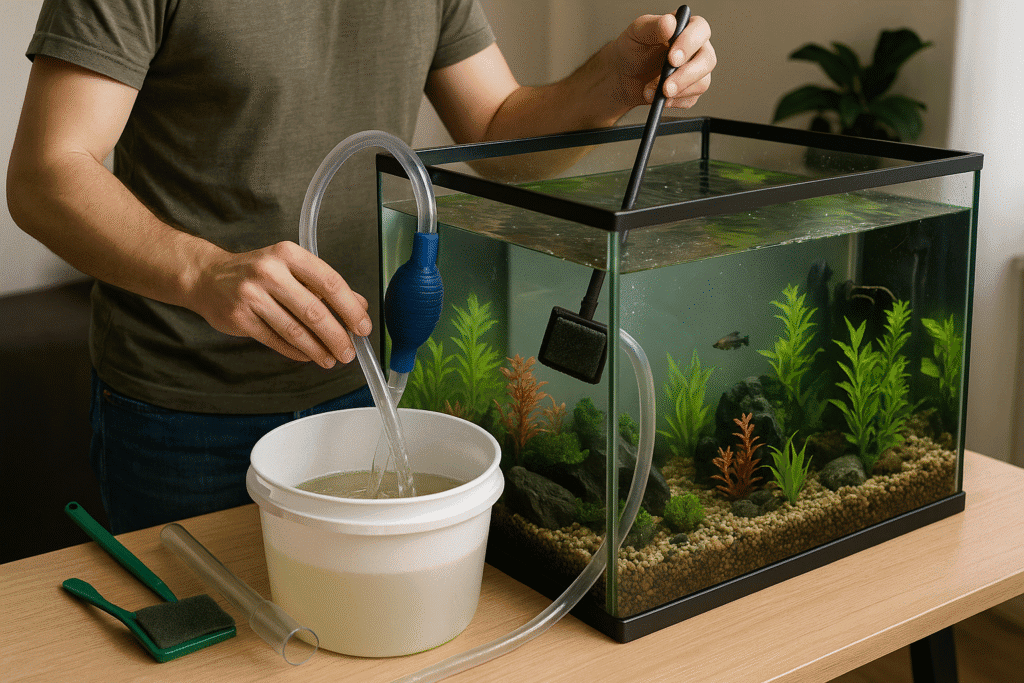
Using tap water for betta fish can be a viable option, provided it’s treated properly. I recommend using a dechlorinating water conditioner to remove harmful chemicals like chlorine and chloramine.
The pH level should ideally range between 6.5 and 7.5 to maintain stable water conditions for your betta. I also monitor heavy metals and beneficial bacteria growth during the nitrogen cycle to support biological filtration. Regular testing for ammonia, which must remain at zero ppm, is essential for their safety.
Additionally, I measure water temperature and hardness since ideal betta health typically requires hardness levels of 100–150 PPM.
Conclusion
In summary, while betta fish can technically survive in tap water, it’s vital to treat it properly first. I always use a water conditioner to remove harmful chemicals like chlorine and chloramine.
Additionally, monitoring the water’s pH and temperature will create a healthier environment for your betta. By taking these steps, you can guarantee your fish thrives in its new home. Remember, a little preparation goes a long way in securing your betta’s well-being.