I can tell if my Betta fish is stressed by observing certain signs. Faded colors, lethargy, and excessive hiding are major red flags. Observing for clamped fins and rapid breathing indicates discomfort.
Stress can arise from high ammonia levels, low oxygen, or unsuitable tank mates. It’s essential to monitor these behaviors and environmental factors closely to guarantee your Betta’s well-being. There’s more to discover about maintaining a healthy aquatic environment.
Signs of a Stressed Betta Fish
When observing your Betta fish, it’s crucial to recognize the signs of stress, as they can indicate underlying health issues. Stressed Betta fish often exhibit faded colors and appear lethargic.
You might notice excessive hiding behavior, clamped fins, or rapid breathing, which can stem from poor water quality or low oxygen levels. Physical symptoms like white spots or fin rot may also appear when stress weakens their immune system. If your Betta refuses to eat, it’s another red flag signaling stress or illness.
Monitoring these signs guarantees you can address any problems promptly, keeping your Betta healthy and thriving. Remember, a happy Betta displays vibrant colors and an active demeanor, so stay vigilant!
Causes of Stress in Betta Fish
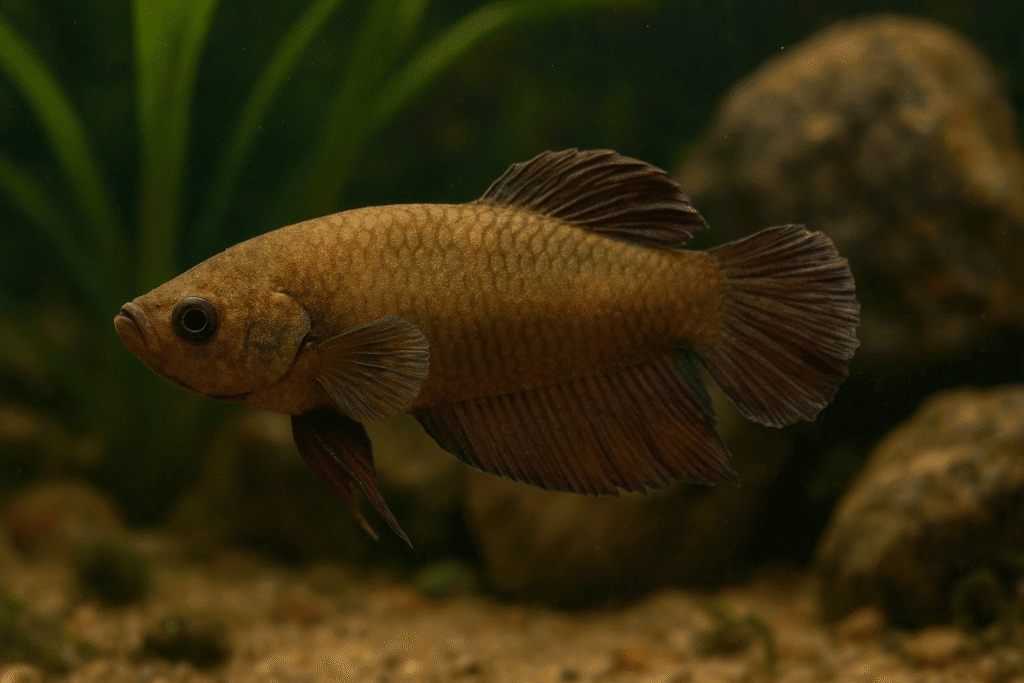
Stress in Betta fish often stems from several key factors that can greatly impact their well-being. Maintaining ideal water quality is vital; high ammonia levels and low oxygen can lead to increased stress.
Regular water changes through a proper filtration system help maintain optimal conditions. Betta fish require adequate swimming space, and overcrowding can cause anxiety and aggression.
Additionally, inappropriate tank mates in a community tank, such as aggressive fish, can heighten stress levels. Sudden changes in water temperature or pH can trigger significant distress, while a poor diet can cause malnutrition, further affecting their health. Stress stripes may become visible during these challenging periods.
Understanding these causes of stress can help provide a healthier environment for Betta fish, reducing chronic stress and enhancing their quality of life.
Conclusion
In summary, recognizing stress in your betta fish is essential for their well-being. By observing signs like erratic swimming, faded colors, and hiding, you can take action to improve their environment. Adding appropriate tank decorations and maintaining proper conditions will help your Betta utilize their labyrinth organ effectively.
Remember, common stressors such as poor water quality, tank mates, and inadequate space can greatly impact their health. A healthy betta may even build a bubble nest when comfortable, and feeding nutritious foods like brine shrimp supports their wellbeing.
Using aquarium salt as needed can also help with recovery. By addressing these issues promptly, you’ll help your Betta thrive, ensuring a happier and healthier life for your aquatic companion.