Yes, betta fish can carry diseases that might affect humans, particularly Mycobacterium marinum. This bacterium can cause skin infections, often referred to as fish tuberculosis. If you’ve got cuts or abrasions on your skin, you’re at higher risk of infection.
Symptoms can appear anywhere from two days to two years after exposure. Practicing good hygiene after handling fish is essential. By taking these precautions, you can minimize your risk and protect yourself from potential infection. There’s more to learn about staying safe, maintaining proper fish tanks, and keeping your fish healthy.
Understanding Zoonotic Diseases From Betta Fish
While caring for betta fish can be a rewarding experience, it’s vital to understand the potential health risks they pose, particularly regarding zoonotic diseases. Betta fish can carry Mycobacterium marinum, which may lead to skin infections like fish TB in humans, especially through cuts or abrasions.
Symptoms can take anywhere from 2 days to 2 years to appear, often presenting as skin lesions or fish tank granuloma. I urge you to wash your hands thoroughly after handling betta fish or cleaning their tanks. Those with weakened immune systems are particularly at risk, making proper aquarium hygiene important in preventing disease transmission.
Preventive Measures for Betta Fish Care
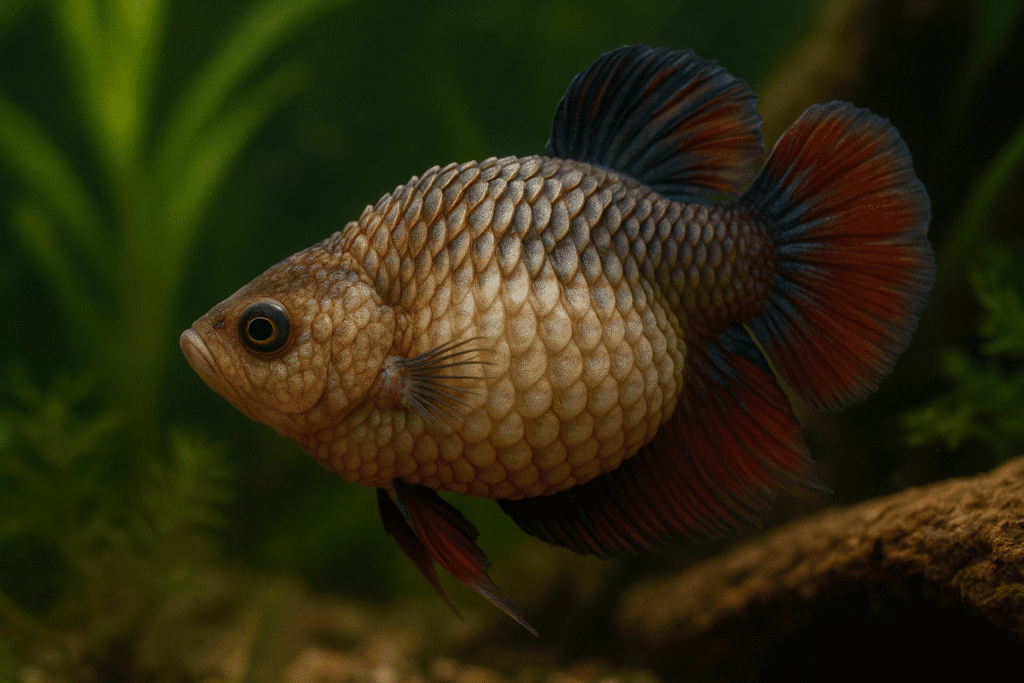
Understanding the potential health risks associated with betta fish care leads to the importance of preventive measures. Always make sure to wash your hands with soap and water after handling fish or cleaning their tank.
Fish owners should also be aware that maintaining clean fish tanks is crucial for preventing disease transmission. Regular water changes help ensure optimal aquarium water quality, which supports both fish health and reduces infection risks. Here’s a quick look at key practices:
| Action | Importance |
|---|---|
| Quarantine new fish | Prevents spread of TB |
| Wear gloves during cleaning | Protects against infections |
| Maintain water quality | Supports fish health |
| Avoid contact with wounds | Reduces risk of skin sores |
Conclusion
To summarize, while betta fish can carry certain zoonotic diseases, the risk of transmission to humans is relatively low with proper care and hygiene. By maintaining a clean environment and practicing safe handling techniques, potential health risks can be minimized.
Watch for signs like raised scales or Fin Rot in your fish, as these may indicate health issues that could affect the overall safety of your aquarium setup. It’s crucial to stay informed and proactive in fish-keeping habits. Understanding these dynamics not only protects our health but also safeguards the well-being of our aquatic companions. So, let’s enjoy our bettas responsibly!