The survival rate for Betta fry can realistically range from 20-50%, influenced by various factors like clean water, tank size, and feeding strategies. Stable conditions and a good genetic background from breeding pairs greatly enhance fry swimming and health.
In the critical early days post-hatching, proper care really matters. By managing these factors diligently, you can improve survival rates considerably. If you’re looking for tips on optimizing these conditions, there’s more to discover.
Understanding Betta Fry Survival Rates
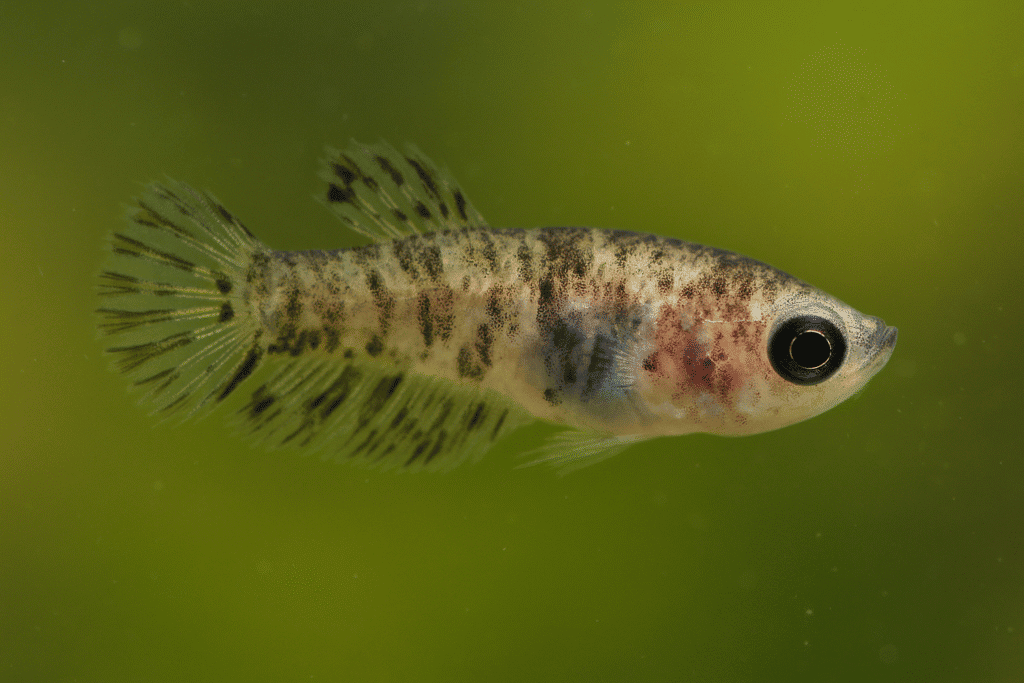
Understanding Betta fry survival rates is vital for any aquarist looking to raise these delicate fish successfully. Many spawns face a natural decline, with only 20-50% of fry reaching maturity. Factors like care and environmental conditions play an essential role in this.
The genetic health of the parent Betta fish greatly impacts fry viability; stronger genetics lead to a higher survival rate. During the first 5-10 days post-hatching, fry are especially vulnerable, making water quality vital.
Regularly monitoring water conditions and ensuring a nutritious diet can dramatically improve their chances. By focusing on these aspects, I believe we can enhance the survival rates of our Betta fry and provide them with a thriving environment.
Factors Affecting Fry Health and Growth
Many factors influence the health and growth of Betta fry, which can ultimately determine their survival rates. Environmental factors, like maintaining a water temperature between 78-80°F, play a vital role in healthy development.
Overcrowding can stifle growth and increase competition, so individual cupping is often recommended to reduce stress. The genetic quality of the parent fish also matters—weak stock can lead to fry with health issues.
To promote better growth, a varied diet that includes live foods like daphnia and frozen brine shrimp, alongside high-quality flake foods, is ideal. Regular water changes are essential for maintaining high water quality, preventing pollution and disease, which can adversely affect the survival rates of Betta fry.
Importance of Optimal Tank Conditions
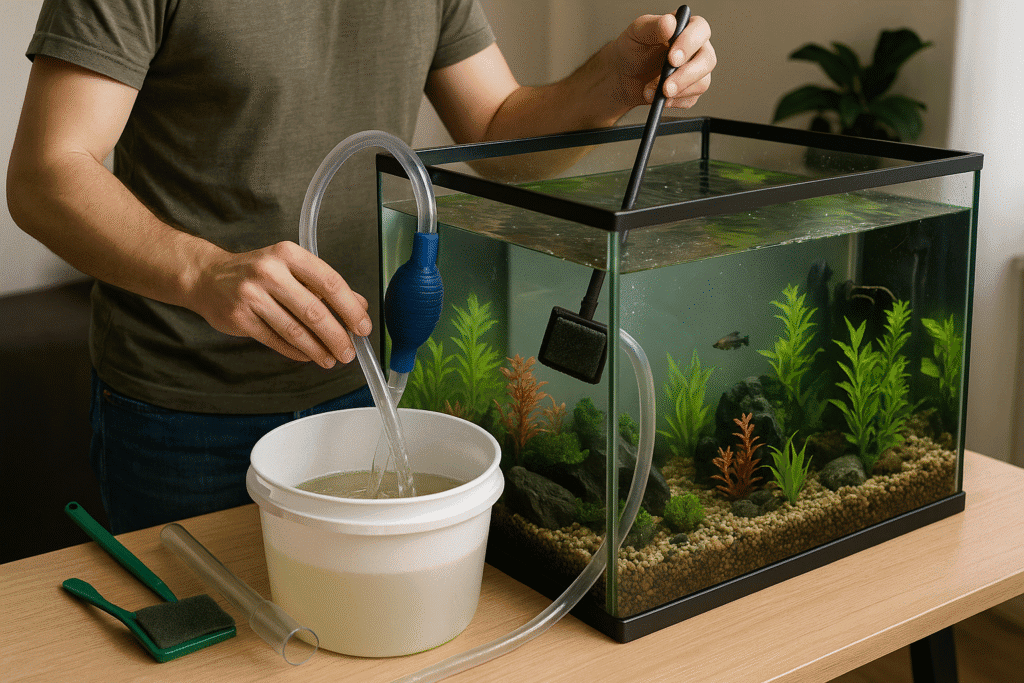
While ideal tank conditions may seem like a basic requirement, they are essential for the survival and healthy development of Betta fry. Maintaining a stable water temperature between 78-80°F is critical, as fluctuations can stress fry and increase mortality rates.
Using at least a 5-10 gallon spawning tank helps prevent overcrowding, which can hinder fry growth. Regular water changes are important to keep conditions clean, reducing harmful bacteria that threaten fry health.
Additionally, monitoring water parameters like ammonia and nitrite levels is necessary; even trace amounts can be detrimental. Incorporating live plants not only enhances the tank’s aesthetic but also improves water quality and provides necessary shelter for fry, fostering a more nurturing environment for active bettas.
Feeding Strategies for Healthy Development
To guarantee your Betta fry thrive during their critical early development stages, it is crucial to implement effective feeding strategies. Start with infusoria, feeding them 3-4 times a day for healthy growth. As they grow, introduce baby brine shrimp and microworms to provide the necessary protein.
Be cautious of overfeeding, as it can pollute the water and harm their health. Monitor food amounts closely, removing any uneaten portions promptly. A varied diet can enhance their nutritional intake and growth rates. Here’s a quick overview of feeding options:
| Food Type | Benefits |
|---|---|
| Infusoria | Essential for new hatchlings |
| Baby Brine Shrimp | High in protein |
| Microworms | Nutrient-rich |
| Live Daphnia | Promotes activity and health |
| Freeze-Dried Bloodworms | Add variety and nutrition |
The Role of Genetics in Fry Viability
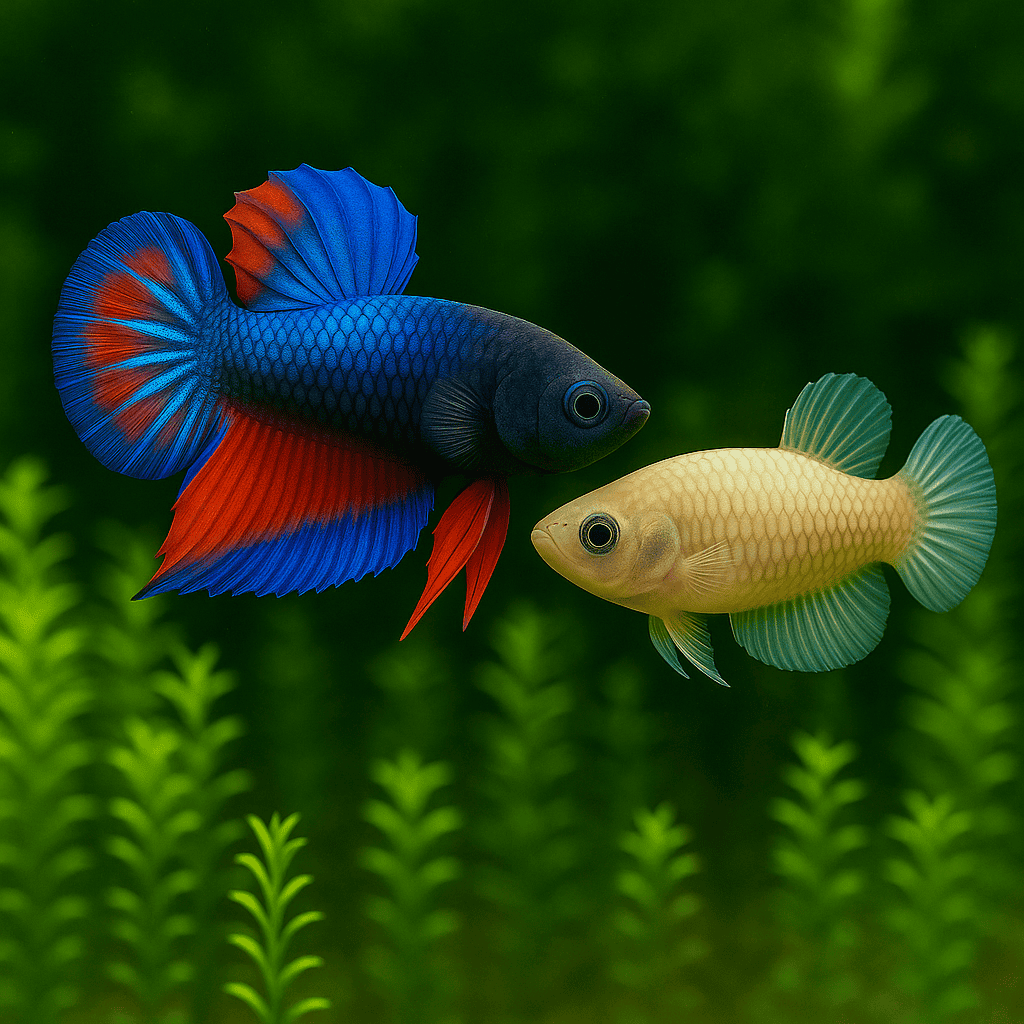
When considering the survival rates of betta fry, the quality of their genetic line immediately comes to mind. Fry from reputable breeders typically exhibit stronger health and viability, while those from poor-quality sources often inherit weaknesses that hinder their growth. Additionally, selecting breeding pairs with diverse genetic backgrounds can considerably enhance the resilience of their offspring, ultimately improving the chances of survival.
Genetic Line Quality
Genetic line quality plays an essential role in the survival rates of Betta fry, impacting their resilience and overall health. Here’s what I’ve observed about the importance of genetics in breeding Betta fish:
- Genetic Health: A strong breeding pair produces healthier fry, enhancing their chances of survival.
- Genetic Diversity: Maintaining diverse genetic backgrounds reduces inherited health problems, resulting in more robust offspring.
- Observational Insights: Evaluating traits like color and fin structure in parent fish can predict the fry’s genetic quality.
- Culling Practices: Removing deformed or unhealthy fry strengthens the remaining population, fostering better survival rates in future spawns.
Breeder Selection Impact
Selecting the right breeders is essential for ensuring the viability of Betta fry, as the quality of parental genetics directly impacts their health and survival rates. Breeder selection plays a significant role; healthy parental lines yield more resilient offspring.
Conversely, poor-quality breeders can produce genetically weaker fry, increasing mortality during critical early development. Implementing effective breeding practices, such as culling deformed or unhealthy fry, can enhance the overall quality of the remaining population, boosting their chances of survival.
Furthermore, fry from mature, well-selected breeders tend to thrive better than those from young parents or those with genetic issues. Prioritizing genetic health and diversity is vital for improving fry survival rates in future spawns.
Managing Overcrowding and Space Requirements
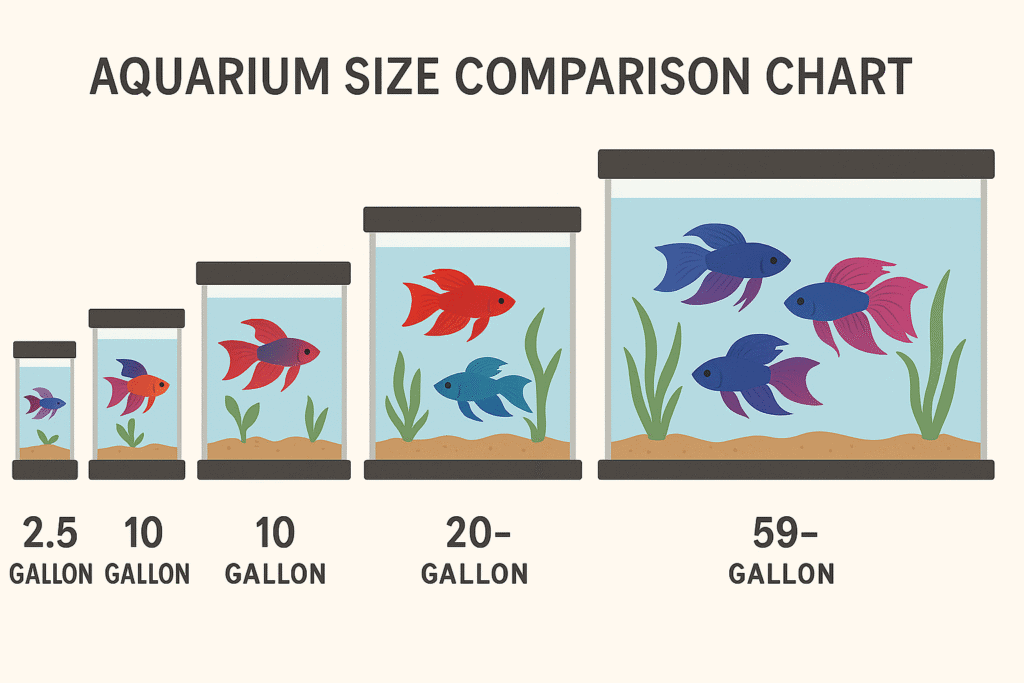
When managing Betta fry, ideal tank size is essential for their development and survival. Providing sufficient space not only reduces competition among fry but also supports their growth by minimizing stress. By ensuring each fry has at least one gallon of water, a healthier environment is created that fosters better overall health and vigor.
Optimal Tank Size
While many enthusiasts might underestimate the importance of tank size for betta fry, providing an ideal environment is vital for their survival and growth. Here are a few key points to take into account regarding optimal tank size:
- A spawning tank should be at least 5-10 gallons to allow the male to build a bubble nest and the fry to thrive.
- Maintaining a minimum of one gallon per fry reduces competition and guarantees ample swimming space.
- Heavily planted tanks can improve water quality but must be balanced to avoid overcrowding.
- Regular water changes and monitoring stocking levels are essential in smaller setups to prevent the buildup of growth-inhibiting hormones.
Importance of Space
Creating the right environment for betta fry goes beyond just tank size; managing space effectively is equally important. Overcrowding can severely hinder growth and increase stress levels among fry, diminishing their chances of survival.
Providing at least 1 gallon of water per fry helps minimize competition and guarantees they have adequate swimming space for ideal development. Separating fry into individual containers can greatly reduce exposure to growth-inhibiting hormones, promoting healthier growth rates.
Additionally, regular water changes are essential to maintain water quality in smaller setups, diluting harmful substances that accumulate with high fry density. Incorporating a heavily planted tank not only enhances water quality but also offers hiding spots, providing a more natural, stress-free environment for thriving fry.
Reducing Competition Among Fry
To foster ideal growth and health in betta fry, it’s essential to minimize competition among them, as overcrowding can lead to stunted development and increased stress. Here are some effective strategies for reducing competition:
- Individual cupping: Separate fry into smaller groups to guarantee they have adequate access to resources.
- Larger tank setup: Use a tank or tub of at least 10 gallons, allowing fry to swim freely and reducing stress levels.
- Regular water changes: Maintain high water quality, especially in smaller setups, to promote growth and health.
- Live plants: Incorporate live plants to enhance water quality and provide hiding spots, which can decrease aggression and competition among fry.
Implementing these methods can greatly improve the survival rate of your betta fry.
Monitoring Water Quality for Success

Maintaining ideal water quality is crucial for the success of betta fry, as even minor fluctuations can lead to considerable stress and increased mortality rates. Regular monitoring of the temperature, aiming for a stable range of 78-80°F, promotes optimal fry development.
Checking the pH, ammonia, and nitrite levels ensures a healthy environment for Breeding Betta Fish. Conducting 10-20% weekly water changes helps dilute harmful substances, which is essential for survival.
Incorporating live plants enhances water quality by providing beneficial bacteria. Using a sponge filter allows for gentle water circulation and biological filtration, maintaining clean conditions without stressing the fry. By prioritizing these aspects of water quality, the chances of thriving fry are greatly improved.
Recognizing and Addressing Health Issues
How can health issues in betta fry be effectively recognized and addressed? First, water quality must be prioritized; it’s essential to maintain clean conditions to prevent stress and disease. Watch for symptoms such as lethargy, abnormal swimming patterns, and color changes, as these can indicate underlying health issues.
Proper tank maintenance is crucial—overcrowding can lead to bacterial infections and parasites that threaten fry survival. Implementing a diverse diet helps combat nutritional deficiencies, promoting healthy bettas and growth.
- Monitor water parameters regularly.
- Observe fry behavior closely.
- Maintain appropriate tank size and cleanliness.
- Offer varied, high-quality food.
Preparing for Future Breeding Success

While preparing for future breeding success, it’s crucial to focus on selecting healthy breeding pairs that not only exhibit vibrant coloration and energetic behavior but also possess strong genetic backgrounds. To create an ideal environment, ensure the spawning tank is at least 5-10 gallons, maintaining stable water conditions between 78-80°F and gentle filtration.
Conditioning these pairs with a high-protein diet for at least two weeks before spawning enhances their reproductive readiness and egg viability. Water quality should be constantly monitored, and regular changes should be performed, as poor conditions can drastically reduce fry survival rates.
Once the fry becomes free-swimming, separate them into individual containers to minimize competition and stress, promoting healthy growth and improving their chances of survival. Paying attention to the care of betta eggs is also essential for future success.
Conclusion
In summary, achieving a 50% betta fry survival rate is realistic when you understand the critical factors that influence their growth and health. By maintaining ideal tank conditions, implementing effective feeding strategies, and managing overcrowding, you can greatly enhance their chances of thriving.
Additionally, monitoring water quality and addressing health issues promptly are essential for success. With careful attention to these aspects, you’ll set the stage for future breeding endeavors and a healthier fry population.