The double-tail betta fish results from a genetic mutation known as the double tail gene (dt), coupled with selective breeding aimed at enhancing aesthetic traits. This gene causes the tail to split into two lobes, leading to its distinctive appearance. However, selective breeding often prioritizes visual appeal over genetic diversity, which can introduce health risks. I invite you to explore the implications of this breeding on their well-being and genetic integrity.
Understanding the Double Tail Gene (dt)
The double tail gene (dt) plays an important role in the unique morphology of betta fish, specifically influencing the structure of their caudal fins. This gene causes the fin to split into two distinct lobes, creating the characteristic double-tail appearance. It’s essential to understand that the singletail (ST) allele is dominant over dt, meaning a betta with at least one ST allele will exhibit a single tail.
For breeders, knowing that a genotype of dtdt displays a double tail while STdt may result in broader dorsal fins is significant. When breeding an STdt male with an STST female, about 50% of the offspring could carry the dt gene, enhancing both visual appeal and genetic diversity in bettas. In my view, understanding this genetic mechanism helps breeders plan effectively.
Breeding Strategies for Double Tail Bettas
Understanding the genetic foundation of double-tail bettas is just the starting point; effective breeding strategies are key to achieving desirable traits. To breed double tail (dt) bettas successfully, selecting appropriate parental genotypes is essential. A male with the STdt genotype paired with an STST female yields about 50% of offspring carrying the double tail gene.
I often utilize Punnett squares to predict phenotype ratios, although genetic variability can affect outcomes. To enhance the aesthetic appeal of doubletails, prioritize dorsal fin width and body form through careful pairings. Additionally, introducing double-tail traits into existing lines requires vigilance regarding potential health issues related to genetic mutations. This balanced approach fosters both beauty and liveliness in betta breeding endeavors.
The Impact of Selective Breeding on Health
Examining the health implications of selective breeding in double-tail betta fish reveals that prioritizing aesthetic traits can compromise genetic diversity. This focus often leads to inbreeding, increasing the risk of genetic defects and health issues. I emphasize that maintaining a balance between desirable appearances and overall genetic health is essential for sustaining viable populations.
Health Risks Associated
While the aesthetic allure of double-tail betta fish can be enchanting, the health risks associated with their selective breeding cannot be overlooked. The pursuit of these striking traits often leads to several health concerns:
- Increased susceptibility to genetic disorders due to reduced genetic diversity.
- Swim bladder issues stemming from altered body structure, impacting their ability to maintain balance.
- Higher likelihood of deformities in offspring linked to the double tail gene’s recessive nature.
- Weakened immune systems are caused by high levels of inbreeding, making them more vulnerable to diseases.
Monitoring the health of doubletail bettas is vital, as their alluring appearance may compromise their overall well-being. I monitor these issues carefully in my own breeding lines.
Genetic Diversity Importance
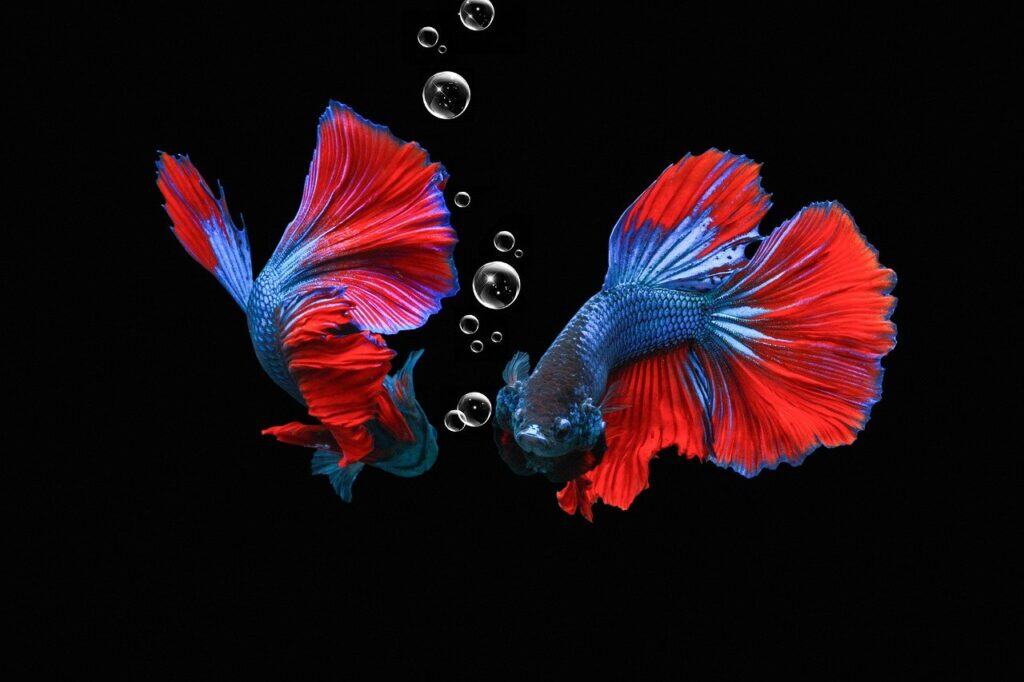
The importance of genetic diversity in double-tail betta fish cannot be understated, especially given the consequences of selective breeding practices. While breeders often aim to enhance specific traits like color and form, this focus can severely limit genetic variation. Reduced diversity heightens vulnerability to health issues, as inbreeding tends to fix genetic defects and increases the likelihood of disorders.
Breeders may notice compromised vigor and fertility in their fish due to these practices. To promote healthier populations, it’s essential to incorporate unrelated genetic lines into breeding programs. By fostering genetic diversity, we can bolster the resilience of double-tail bettas against diseases and environmental changes, ensuring their long-term health and well-being. I recommend introducing wild-type lines when possible.
Genetic Diversity in Betta Breeding
Genetic variation is essential for achieving both aesthetic appeal and robust health in offspring. I’ve observed that the interplay between maintaining genetic diversity and selecting specific traits greatly impacts breeding success. Without this balance, breeders risk introducing health complications and reducing the vigor of future generations.
| Parent Genotypes | Offspring Genotypes |
|---|---|
| STdt × STST | ST, STdt |
| STdt × STdt | ST, STdt, dt, dt |
| STST × STST | ST |
This diversity introduces new traits, mitigating inbreeding depression risks. By selecting breeding pairs carefully, I guarantee both desirable traits and the long-term health of our betta population.
Aesthetic Appeal of Double Tail Bettas
The enchanting allure of double-tail betta fish lies in their striking fin architecture, which sets them apart from other varieties. Their aesthetic appeal can be attributed to several key features:
- Distinctive Fin Shape: The split caudal fin offers a unique profile that enthralls viewers.
- Broader Dorsal Fins: These fins create a more pronounced presence, enhancing visual impact.
- Variety of Colors: Selective breeding results in a stunning array of colors and patterns, attracting enthusiasts.
- Aquascaping and Competition: Their mesmerizing appearance makes them sought after for both decorative and competitive purposes.
I find their appearance especially captivating.
Challenges in Maintaining Genetic Quality
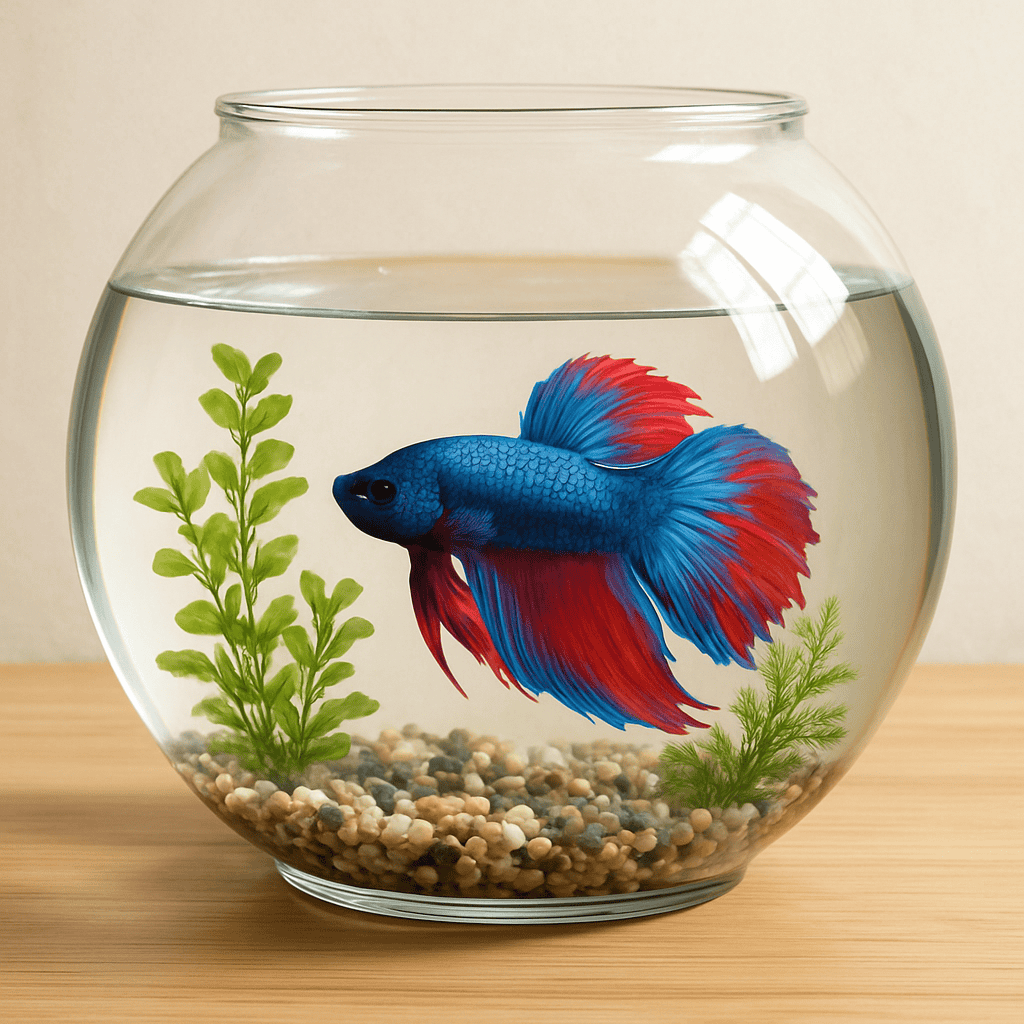
While breeding double-tail bettas can be a rewarding endeavor, it’s fraught with challenges that threaten genetic quality. Extensive mixing of strains often introduces undesirable traits, complicating the development of robust offspring. Hidden genetic traits can remain undetected, impacting future generations. Inbreeding to stabilize desirable characteristics, like the distinctive caudal fin, risks diminishing genetic diversity.
Additionally, the variability in spawn outcomes means that not all fry will display the coveted double tail trait, necessitating careful selection. Environmental factors, such as water quality and nutrition, affect the health of my breeding stock and ultimately influence the genetic stability of double-tail bettas.
Future of Double Tail Betta Breeding Practices
Breeding double-tail bettas presents an opportunity to refine practices that can enhance genetic quality and aesthetic appeal. Looking ahead, several key areas merit focus:
- Utilize genetic knowledge, including Punnett squares, to predict double-tail trait inheritance.
- Prioritize dorsal fin breadth and symmetry to elevate visual appeal.
- Incorporate advanced genomic studies to deepen our understanding of double-tail genetics.
- Balance selective breeding with genetic diversity to sustain healthy populations.
I anticipate that these strategies will significantly improve outcomes in future breeding programs.
Conclusion
In summary, the double-tail betta fish represents an intriguing intersection of genetic mutation and selective breeding. While these fish exhibit unique aesthetic traits, the implications for their health and genetic diversity cannot be overlooked. I believe the future of double-tail betta breeding hinges on responsible practices that prioritize the well-being of these enchanting creatures, ensuring they thrive for generations to come.