If you’re worried about overfeeding your Betta fish, limiting feedings to 10–12 small pellets twice a day has worked well. Signs of overfeeding include a bloated belly, sluggish behavior, and uneaten food. Removing leftovers within five minutes helps maintain proper water temperature and water conditions.
Fasting one day a week can also reset the digestive problems in your Betta’s system. Let’s explore more strategies to keep your Betta healthy and thriving while ensuring a balanced feeding schedule.
Understanding Overfeeding in Betta Fish
When it comes to caring for Betta fish, understanding overfeeding is vital, especially since it can lead to serious fish diseases. Overfeeding occurs when Bettas consume more fish food than necessary, which can result in bloating, sluggishness, and a lack of interest in food.
A standard feeding amount for these beautiful fish is about 10–12 small pellets or 1–2 larger pellets, roughly the size of one fish eyeball. To maintain ideal water quality, it’s important to monitor how much food is left floating after feeding. Establishing 2–3 small feedings per day ensures all food is consumed within 2–3 minutes.
Adding brine shrimp or high-quality pellets occasionally promotes variety and nutrition. This way, your Betta fish stays healthy and vibrant.
Signs and Symptoms of Overfed Bettas
Overfed Bettas often exhibit distinct signs that can be alarming for any fish owner. Here are some key indicators to watch for:
- Bloated abdomen – A swollen belly resembling a marble can indicate digestive problems.
- Sluggishness – Overfed Bettas tend to rest at the bottom of the tank, showing decreased activity levels and possible issues with their immune system.
- Uneaten food – If you notice fish food floating around, it’s a sign your Betta has overeaten.
- Water quality – Cloudy water and waste buildup can lead to problems, including the presence of planaria tiny white worms thriving on uneaten food. Using aquarium salt and a good water conditioner can help control ammonia spikes.
Proper Feeding Practices for Bettas
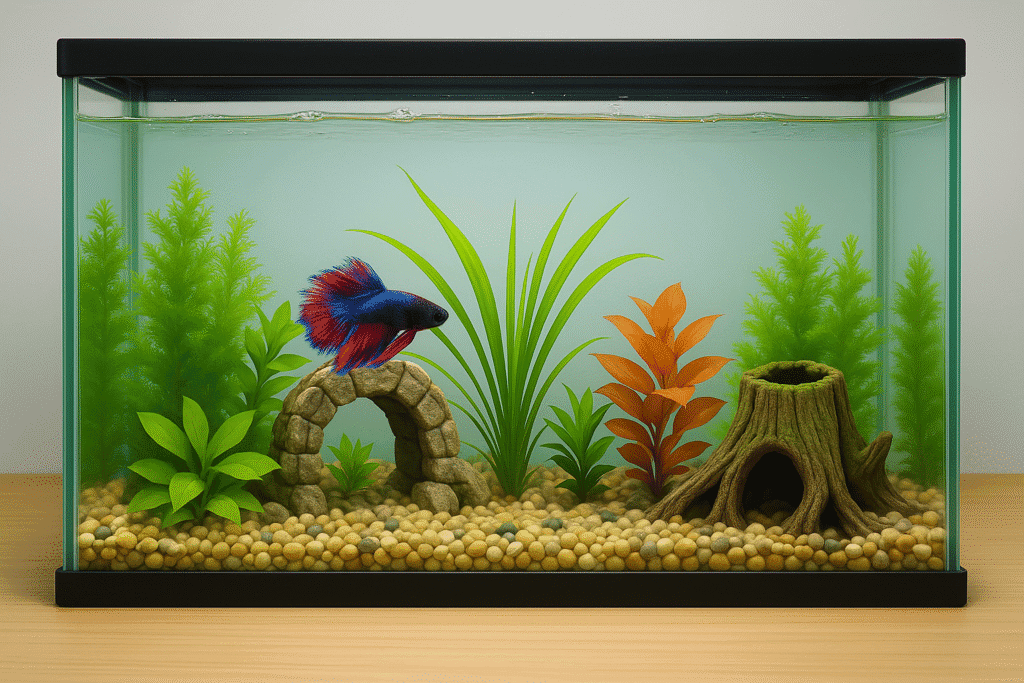
To guarantee a healthy Betta, focus on proper feeding practices that prevent overfeeding. Feed your fish 2–3 small meals each day, offering amounts they can consume within 2–3 minutes. Typically, use pellets that take up the space equivalent to one fish eyeball, around 10–12 small pellets per feeding.
Observe your Betta during feeding and remove any uneaten food within five minutes to maintain water quality. Rotating between different types of food—such as frozen food, freeze-dried brine shrimp, and high-quality pellets—ensures your Betta enjoys a balanced diet every two weeks. Considering tank size and adding compatible tank mates also supports overall well-being.
Managing Overfed Bettas Effectively
Managing overfed, Bettas effectively is essential for their well-being. Here’s how to tackle it:
- Monitor Feeding: Give 1–3 small pellets daily, ensuring they finish within 2–3 minutes.
- Implement Fasting Period: Designate Sundays as a fasting day to help reset their digestive system.
- Remove Uneaten Food: Regularly check the tank and remove leftover food to maintain water conditions.
- Observe Behavior: Keep an eye on bloating or sluggishness, adjusting your feeding schedule if needed.
Incorporating occasional frozen or live foods can further diversify nutrients.
Importance of Water Quality and Maintenance
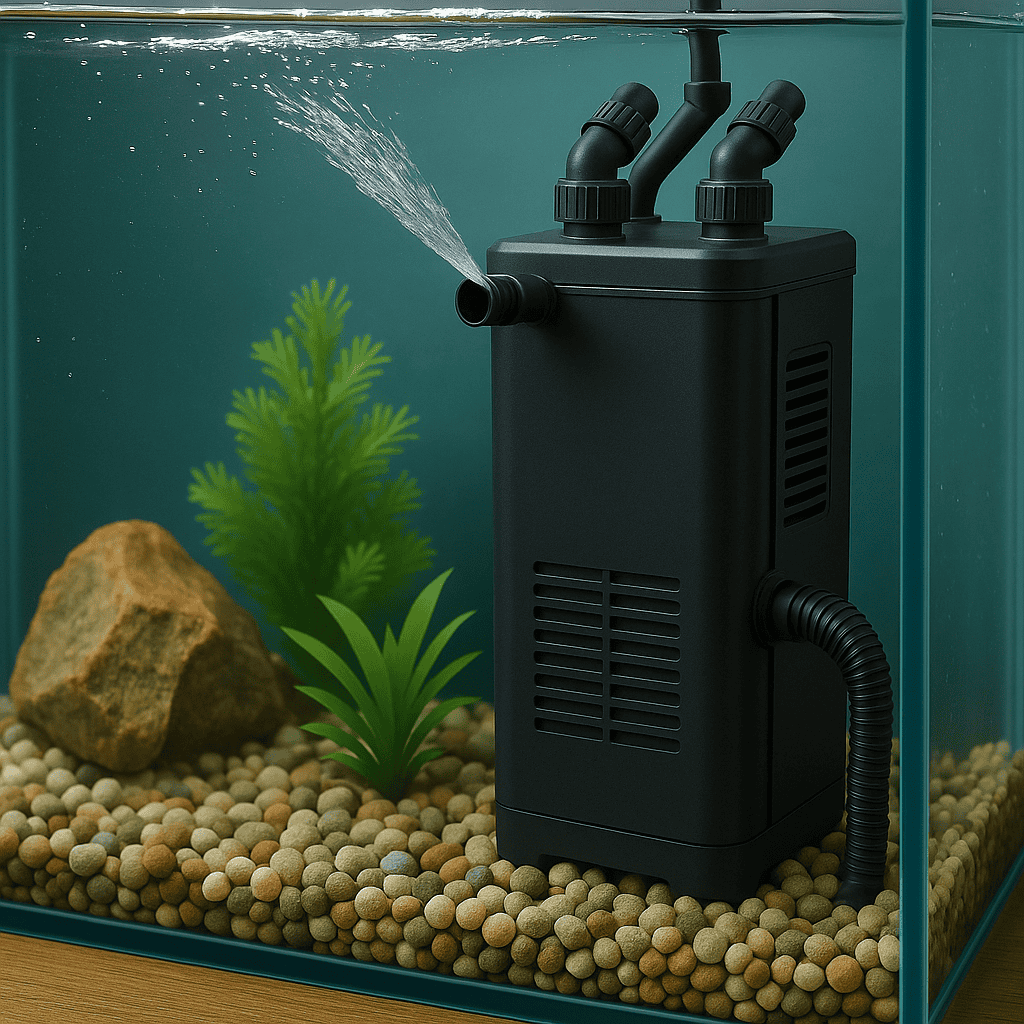
Maintaining ideal water quality is vital for keeping Betta fish healthy and vibrant. Regular partial water changes of 20–30% help dilute toxins and promote a suitable environment. Removing uneaten food promptly prevents decomposition, which can lead to harmful ammonia and nitrite spikes.
Using activated carbon in the filter enhances water clarity and overall quality. Monitor water parameters like water temperature and pH to guarantee stability, which is significant for your fish’s well-being. Introducing an aquarium heater ensures consistent warmth, while periodic checks of filter functionality and aquarium salt dosage prevent algae blooms.
Should any signs of distress appear, consulting veterinary assistance or using products like API Melafix supports recovery.
Conclusion
In summary, keeping Betta fish healthy means being mindful of their feeding habits, balanced by a structured feeding schedule. By recognizing the signs of overfeeding and adopting proper feeding practices, you can prevent health issues and guarantee their well-being.
Don’t underestimate the impact of tank size, water conditioner, and partial water change routines. With a little care and attention—including the right frozen food choices—your Betta will thrive in its home.