If you see white flakes on your betta fish, it could be Ich, a common and highly contagious parasite. These flakes usually look like small grains of salt or sugar on the skin and fins. Infected fish may also scratch against surfaces and seem lethargic.
Early detection is essential, as untreated Ich can be devastating. There are effective treatment methods and preventive measures I can share to help keep your betta healthy and safe.
Understanding Ich and Its Symptoms
When you notice white flakes on your betta fish, it’s vital to understand that these symptoms often indicate ich, or white spot disease, caused by a protozoan parasite. This condition manifests as small white spots that resemble salt or sugar on your fish’s skin and fins.
Infected bettas may scratch against surfaces, appear lethargic, clamp their fins, or lose their appetite, all signs of distress. Ich is highly contagious and thrives in poor water conditions, making regular tank maintenance and monitoring water quality fundamental.
Quarantining new fish can notably reduce the risk of infection. By recognizing these symptoms early, you can take proactive steps to protect your betta from the potentially devastating effects of this common disease.
Treatment and Prevention of Ich in Betta Fish
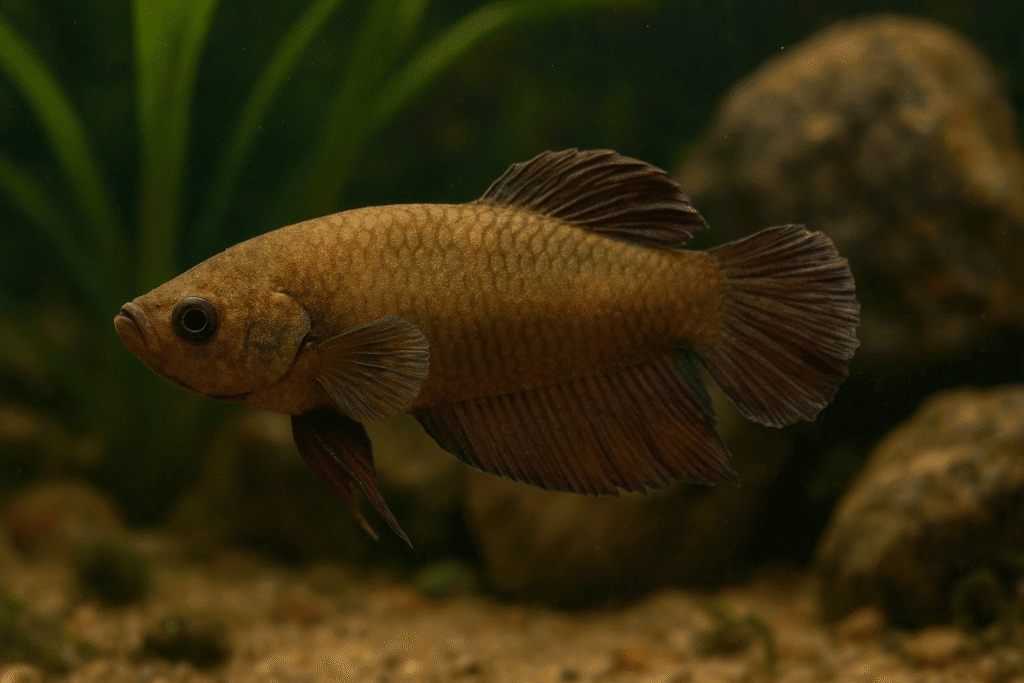
Understanding how to treat and prevent ich in your betta fish is essential for their health and well-being. The ich parasite can severely impact your fish, but with the right treatment and preventive measures, you can keep your betta healthy.
| Treatment Steps | Preventive Measures |
|---|---|
| Raise temperature to 85°F | Quarantine new tank mates |
| Perform 80% water change | Maintain ideal water quality |
| Use medications like CopperSafe | Minimize stressors |
| Continue treatment 48-72 hours after symptoms disappear | Regular tank maintenance |
Conclusion
In summary, if you notice white flakes on your betta fish, it’s essential to act quickly, as these are often signs of ich. By understanding the symptoms and implementing proper treatment and prevention strategies, you can help your fish recover and thrive.
Remember, maintaining a clean environment and monitoring water quality are key to preventing future outbreaks. I’m here to support you in ensuring your betta stays healthy and vibrant!