When a betta fish has Swim Bladder Disease, its lifespan can vary greatly based on the condition’s severity and the care it receives. With proper care—like maintaining clean water, stable temperatures, and a balanced diet—a betta can potentially live for months or even longer.
However, untreated symptoms can lead to serious complications, ultimately shortening one’s life. To better understand how to manage this disease effectively, I believe there’s more to explore in improving your fish’s health.
Understanding Swim Bladder Disease in Bettas
Swim Bladder Disease (SBD) is an important concern for aquarium fish owners, as it directly impacts a fish’s ability to maintain proper buoyancy. Symptoms like floating upside down or having a distended belly often indicate SBD, particularly in Bony fish like bettas.
Environmental factors, such as low water temperature, and digestive problems, like constipation, can contribute to this condition affecting the air bladder.
For diagnosis, I find that observing these symptoms is essential, and consulting a veterinarian may be necessary for confirmation. Treatment typically involves dietary adjustments, like fasting or offering easy-to-digest foods, alongside maintaining stable water quality.
Some owners also use aquarium salt as a supportive treatment. Addressing these aspects can greatly aid in your betta’s recovery.
Factors Influencing Lifespan With Swim Bladder Disease
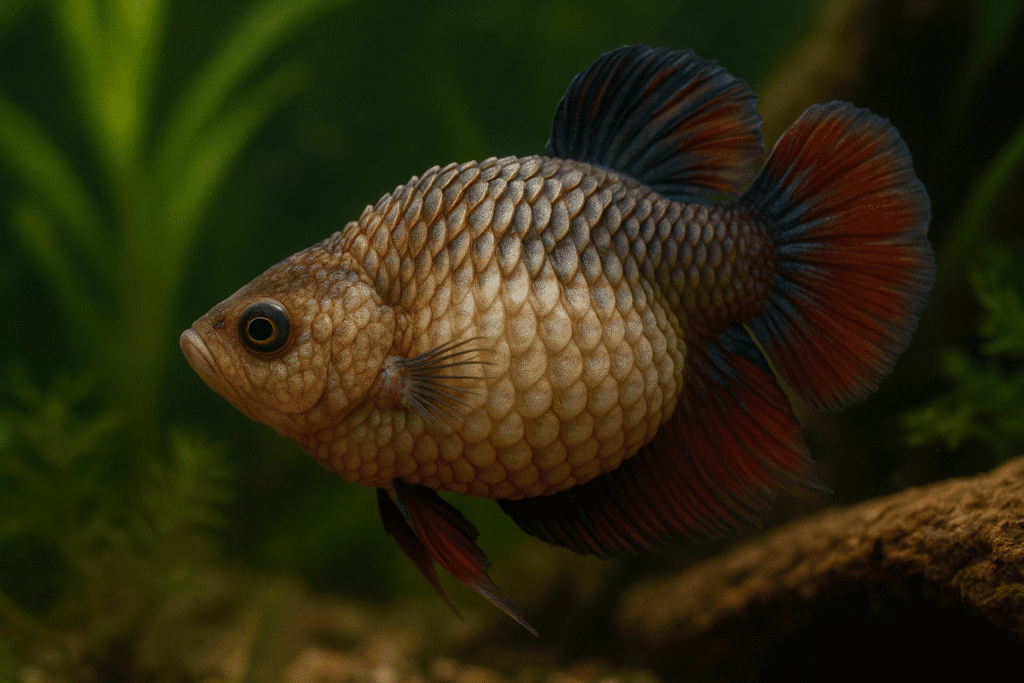
While many factors can influence a betta fish’s lifespan with swim bladder disease, the severity of the condition often stands out as the most critical among fish diseases. Here are three key elements I recommend you evaluate:
Overall Health: A strong immune system enhances recovery chances, while underlying issues like bacterial infection can lead to complications.
Environmental Conditions: Clean water and stable temperature support healing, whereas poor water parameters shorten lifespan. Regular water changes are essential for recovery.
Proper Care: Timely intervention and a balanced diet can greatly improve quality of life, allowing a betta fish to thrive despite swim bladder disease. I’ve observed that untreated cases often result in severe complications, drastically reducing their lifespan. Consider compatible tank mates that won’t stress the affected fish.
Conclusion
In summary, while swim bladder disease can be a challenging condition for betta fish, their lifespan can still vary considerably based on several factors, including the severity of the disease and the care they receive. With prompt treatment and proper tank conditions, some bettas can live for months or even years after diagnosis.
I believe it’s vital to monitor their health closely and make necessary adjustments to guarantee they lead a comfortable, fulfilling life despite the illness. A consistent Water change schedule can make a significant difference in their recovery process.