Betta fish can be challenging to care for due to their specific needs. They require a minimum of a 5-gallon tank, stable water temperatures between 75-80°F, and regular water quality monitoring. Poor water conditions can lead to stress and illness, making maintenance essential.
Additionally, their territorial nature limits available tankmates, and new bettas need gradual acclimation. Understanding these factors helps guarantee a healthy environment, and there’s more to know about proper care and management.
Understanding Betta Fish Care Requirements
When considering Siamese fighting fish care, understanding their specific requirements is important for their well-being. A minimum tank size of 5 gallons is essential, along with aquarium heaters to maintain proper water temperature between 75-80°F to guarantee good health.
Regularly monitoring water quality through testing and performing 25-35% water changes every 1-2 weeks keeps their environment clean. Using dechlorinated water instead of tap water is crucial, and adding a water conditioner helps create optimal conditions for these tropical fish.
Providing hiding places with aquatic plants and fish-safe decorations reduces stress.
A balanced diet of high-quality Betta Fish Food pellets, along with occasional treats, supports their longevity. I find that acclimating new Betta splendens properly is critical to minimize stress during their change into the fish tank.
Common Challenges in Betta Fish Care
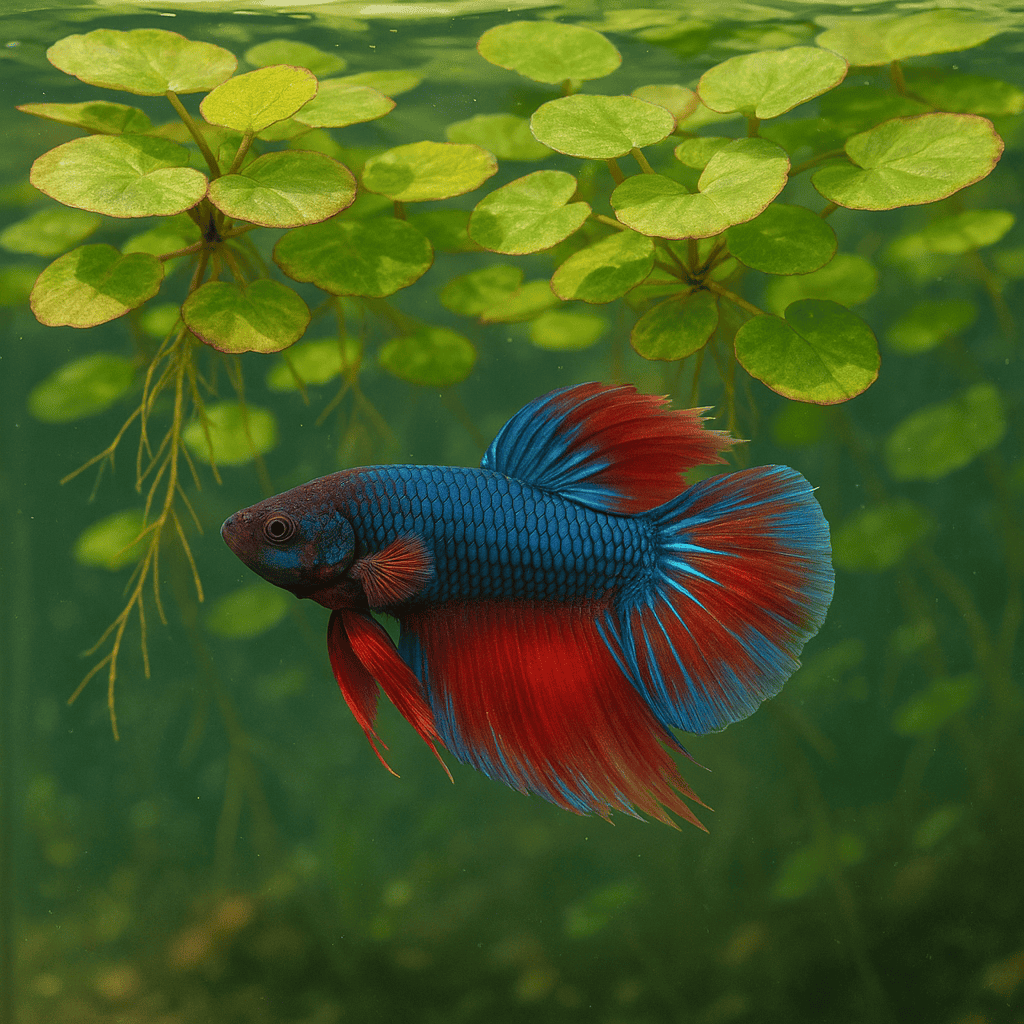
Despite understanding the requirements for betta fish care, several common challenges can arise that may impact their health and well-being. Maintaining a minimum tank size of 5 gallons is important; inadequate space can lead to stress and aggressive behavior in male bettas.
Monitoring water quality through regular changes is critical, as poor conditions can cause diseases. Sometimes adding aquarium salt can help with minor health issues. Bettas are sensitive to temperature fluctuations, needing consistent conditions for ideal health.
Acclimating new bettas requires a gradual process to reduce stress. Their territorial nature limits compatible tank mates options, making careful selection necessary to guarantee a harmonious environment for these beautiful fish. Using a fish net for transfers helps reduce handling stress when purchasing from pet stores.
Quality fish food selection is essential for proper nutrition and overall health.
Conclusion
In summary, while betta fish can be beautiful and fascinating pets, they do require specific care to thrive. Understanding their needs, such as water quality and tank size, is essential for their well-being.
Challenges in maintaining their environment exist, but with the right knowledge and attention, it’s manageable.
By being informed and proactive, I’ve found that keeping bettas can be a rewarding experience. Ultimately, they’re not overly difficult to care for if you’re prepared.