Bettas can eat food from the bottom of the tank if necessary, but it’s not ideal for their health. This behavior might indicate they aren’t getting enough food at the surface. Bottom feeding can expose them to decayed food, which could lead to health issues if water quality deteriorates.
I’ve noticed that when water temperature fluctuates, they’re even more likely to scavenge below. It’s important to monitor their eating habits and maintain a clean environment. To guarantee your betta thrives, consider effective feeding practices and their impact on overall well-being.
Mysis Shrimp make an excellent occasional treat that sinks slowly, helping you observe how much the fish actually consume.
Understanding Betta Feeding Behavior
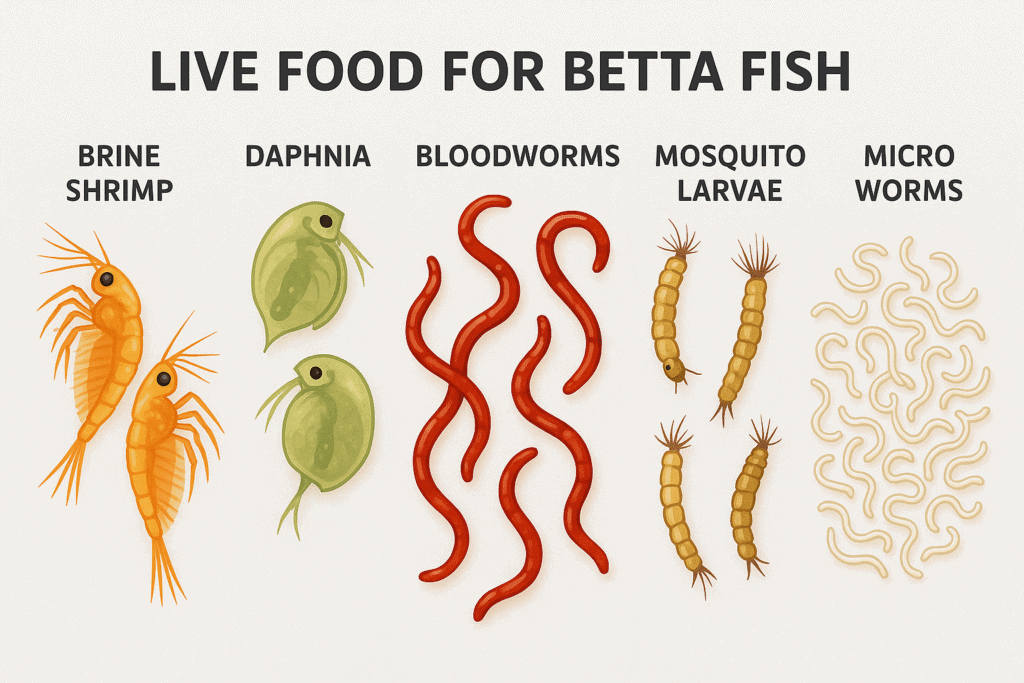
Understanding the feeding behavior of betta fish is essential for their health and well-being. Bettas typically prefer food at the surface, but they’re also adept at scavenging from the bottom of the tank.
I once observed one of my Siamese fighting fish snatch a piece of brine shrimp from the substrate. This behavior doesn’t indicate illness as long as the fish remains active and exhibits natural foraging tendencies. However, eating from the bottom can lead to consuming decayed food, potentially impacting health if water quality isn’t monitored.
To accommodate their feeding habits, I recommend providing sinking betta pellets, ensuring they receive adequate nutrition while minimizing excess food buildup in the tank, thereby preventing overfeeding. Frozen foods such as bloodworms can also be lightly thawed and offered to encourage surface feeding.
Managing Feeding Practices and Concerns

While monitoring your betta’s eating habits, it is crucial to implement effective feeding practices to guarantee their health. To optimize their feeding experience and maintain water quality, consider these strategies:
- Use sinking pellets designed for bettas that enhance nutritional value.
- Feed smaller amounts to prevent excess food and encourage prompt consumption.
- Regularly monitor uneaten food to maintain tank cleanliness.
- Introduce bottom feeders like kuhli loaches to help clean up leftover flakes or Betta Pellets before they decay.
Conclusion
In summary, while bettas can eat food off the bottom of the tank, it’s not their preferred feeding method. They’re naturally surface feeders and thrive on a diet that’s easily accessible. I often check the substrate at least once a week to see what’s left behind.
To guarantee your betta gets the nutrition it needs, I recommend regularly checking the bottom for leftover food and promptly removing it. This keeps the tank clean and encourages healthy feeding habits.
Remember, a well-fed tropical fish—or household fish—is a happy betta! Fish enthusiasts will appreciate how these simple steps improve overall tank health.