Aquarium salt’s benefits for bettas are remarkable. Derived primarily from sodium chloride, it enhances their protective slime coat, supports recovery from infections and wounds, and helps control harmful pathogens like Ich. It even aids in reducing stress and promotes vibrant colors.
However, I’ve found it’s essential to monitor salt levels carefully, especially with sensitive species. If you’re curious about the best practices and precautions to guarantee your bettas thrive, there’s much more I can share.
Benefits of Using Aquarium Salt for Bettas
When you consider the health of your betta fish, using aquarium salt can greatly enhance their well-being. This additive boosts the production of a protective slime coat, aiding bettas in recovering from fungal infections and minor wounds.
By controlling pathogenic populations, it effectively treats common ailments like Ich and velvet. Additionally, aquarium salt can considerably reduce stress levels, supporting gill function and osmoregulation, which promotes vibrant activity and coloration. It also sterilizes affected areas, facilitating faster healing for fin rot.
Furthermore, proper salt usage prevents harmful nitrates during nitrogen cycling, fostering a healthier environment for your bettas and other species when complemented by Epsom salt treatments.
Precautions and Considerations When Using Salt
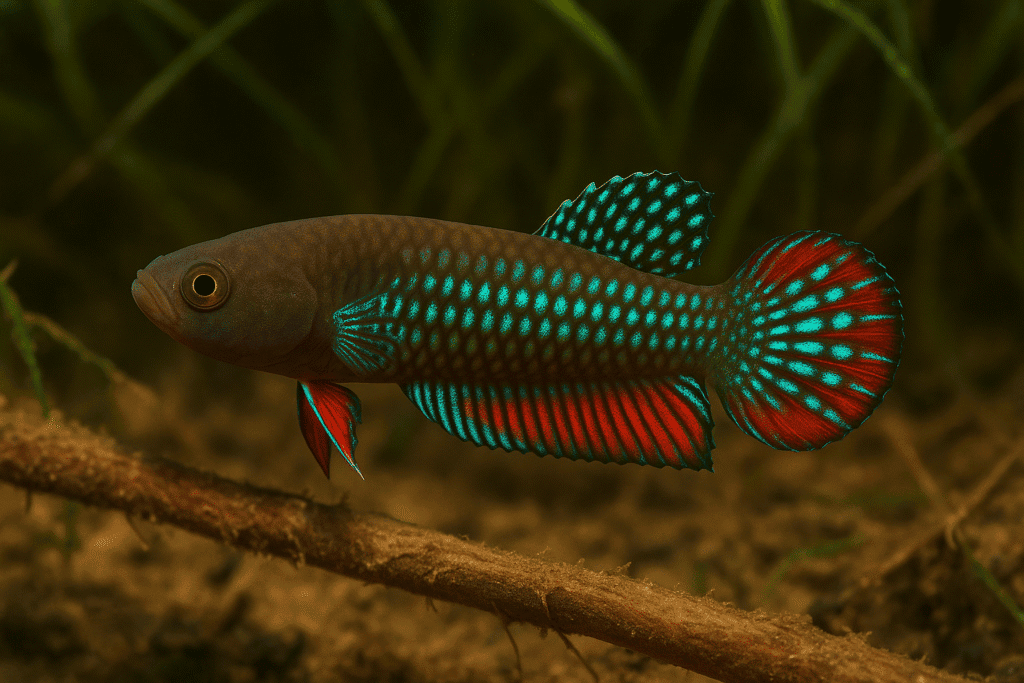
Although using aquarium salt can benefit your betta fish, it’s essential to approach its application with caution. High concentrations of salt can harm sensitive species and live plants, so research tankmates’ tolerances first.
Avoid iodized table salt, as it can increase ammonia levels and disrupt biological filtration. I recommend a gradual addition of pre-dissolved salt to prevent shocking your betta. Continuous monitoring of salt levels is crucial since it doesn’t dissipate on its own; only water changes can remove it.
When dealing with fish diseases, take into account the health of bottom feeders, as they may need acclimatization to low salt levels to guard against bacterial infection.
Conclusion
In summary, using aquarium salt can offer significant benefits for bettas, including improved gill function and enhanced resistance to disease. However, it’s essential to use it sparingly and monitor your fish closely, as excessive sea salt or other chloride salts can lead to stress or health issues such as swim bladder disorder.
Always remember to dissolve the salt properly before adding it to your tank, and consult with a vet if you’re unsure. With careful use, aquarium salt can be a valuable tool in maintaining your betta’s health.